Translate Packs, Cases, and Master Cases into Comparable Costs
Start with the unit you will sell or use. A retailer may sell an unopened set, while an event buyer may allocate individual poppers to a celebration. Neither should treat a retail pack as a wholesale case.
Ask for a packing breakdown for each SKU rather than relying on the word “bulk.” Use the following distinctions when checking a quotation:
| Quantity level | What to establish | Why it matters |
|---|---|---|
| Individual popper | Number of separate poppers | Establishes the event-use quantity and cost per popper |
| Retail pack or set | Poppers in each sellable pack | Determines shelf quantity and cost per retail sale |
| Case | Retail packs in each case | Determines the order increment and storage requirement |
| Master case | Cases or total retail packs in the outer carton | Determines the larger purchasing increment without double-counting |
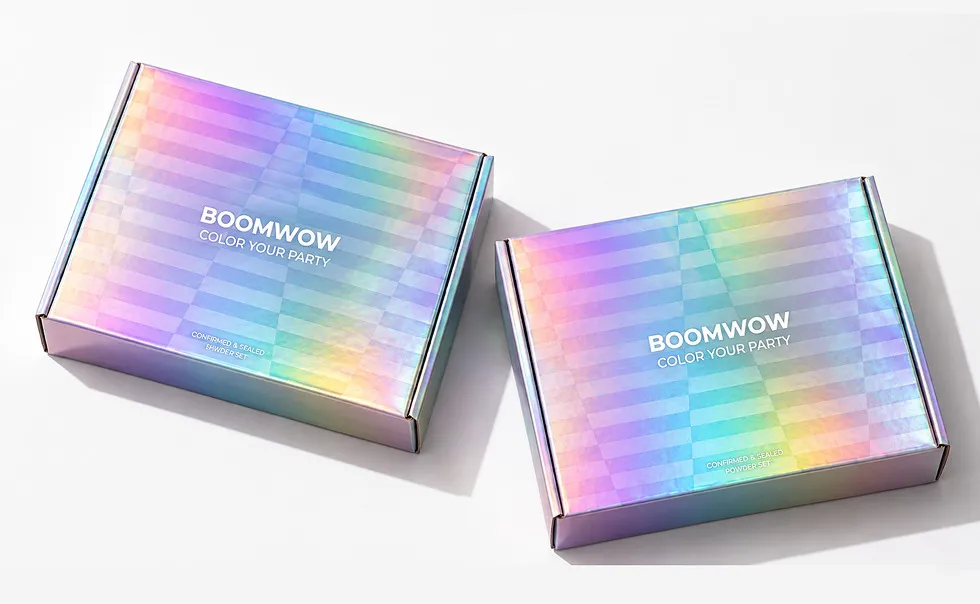
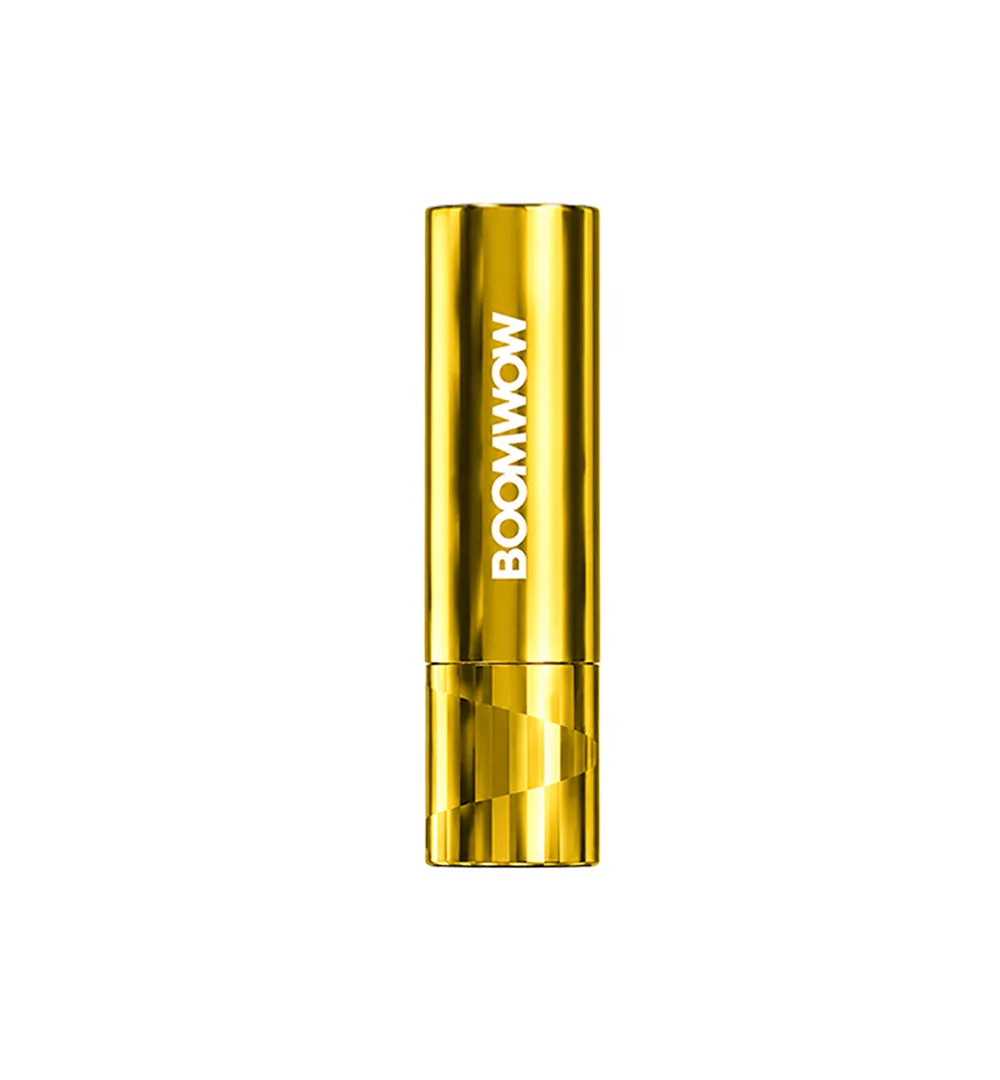
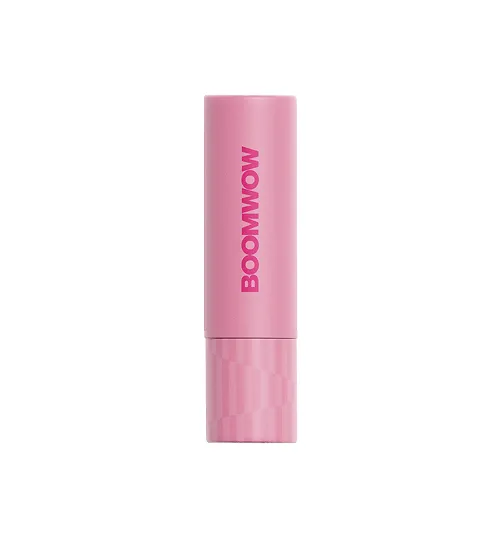
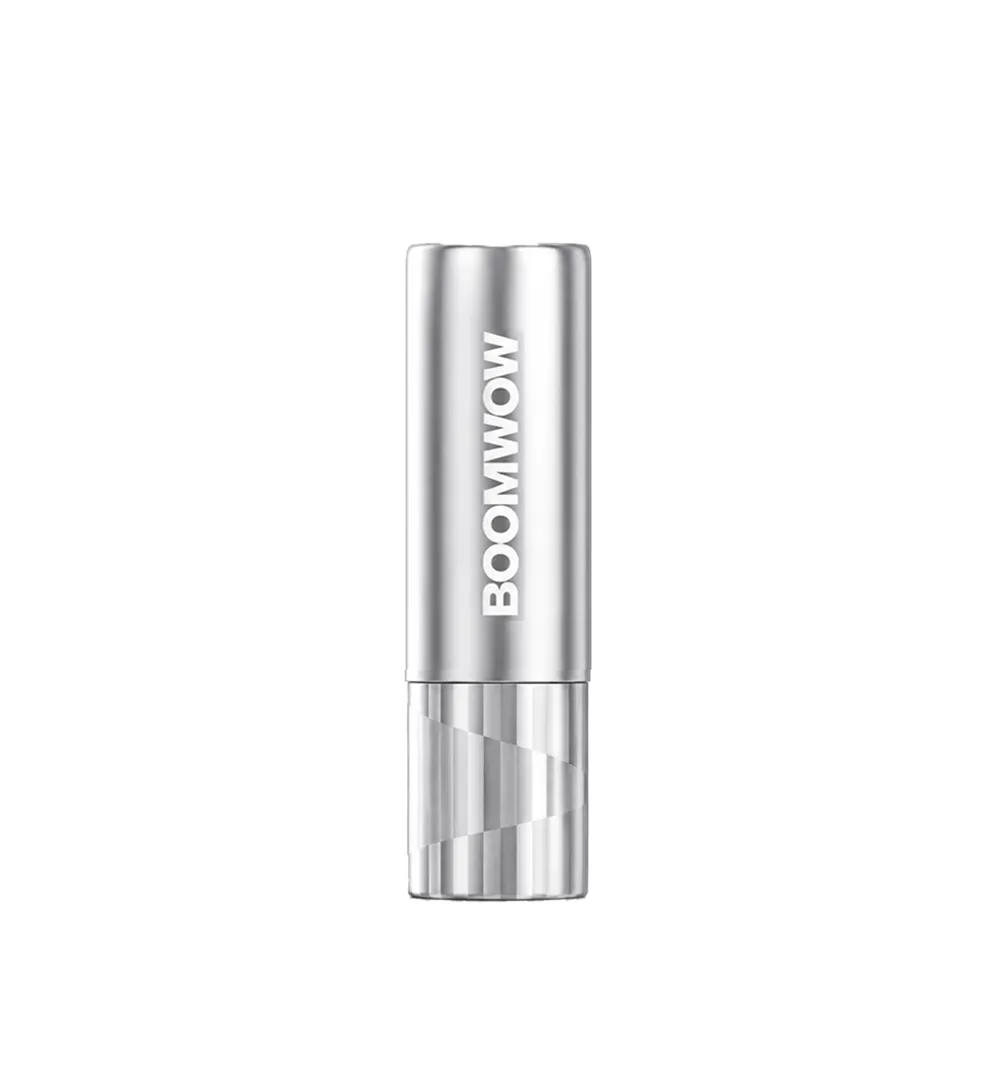
BOOMWOW lists two- and four-piece set options for the Gender Reveal, Silver, and Gold Confetti Poppers. Those set sizes describe product packaging—not the number of sets in a wholesale carton or the minimum purchase.
Calculate both the selling unit and the usage unit
For a case-based order:
- Total poppers = cases ordered × packs per case × poppers per pack.
- Cost per popper = total order cost ÷ total poppers.
- Cost per sellable pack = total order cost ÷ total sellable packs.
Use a consistent cost basis, including quoted shipping and other order charges where applicable. For resale planning, compare the cost per unopened pack with your intended selling price. For event planning, compare the cost per popper and the quantity left after the event.
A larger carton is not automatically the better purchase. Ask whether colors can be mixed within a case, whether minimums apply to each SKU or the whole order, and whether replacement stock can be ordered in smaller increments. These answers determine how much cash is tied up in each color and how readily you can replenish it.